
Is Sacramento a Good Place to Live? Pros and Cons (2026)
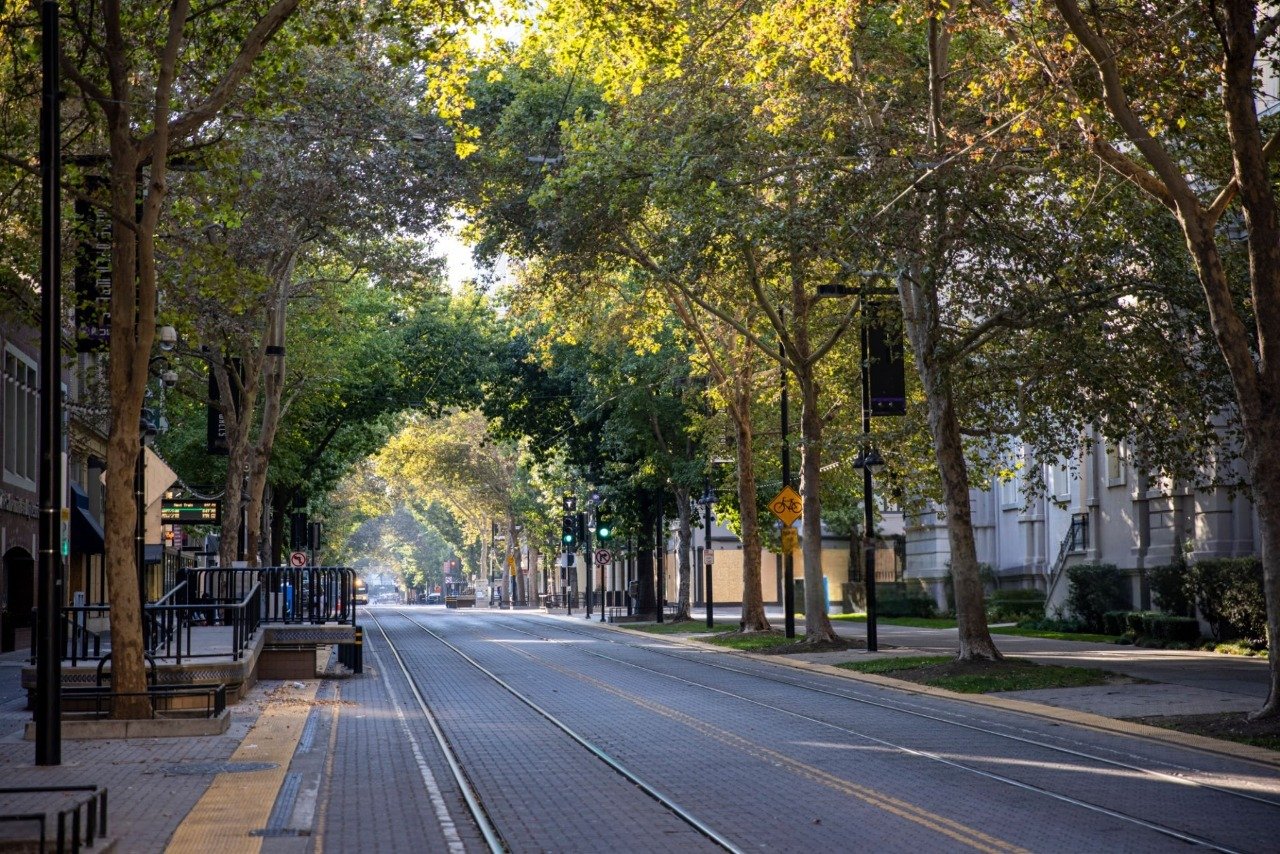
Sacramento is a good place to live if you want California living without coastal housing prices and you can handle hot summers. The typical home in the city was valued at $473,797 in August 2026, about a third of the San Francisco figure, according to Zillow. The trade-offs are 14 days a year at 100°F or hotter and wildfire smoke in bad fire years. Crime rates are above the state average, and most of the city runs on cars.
Whether Sacramento works for you depends on your stage of life, your job, and the neighborhood you choose. This guide covers each pro and con with current numbers and sources. For the full picture of the city, including schools, transit, and neighborhoods, see our guide to living in Sacramento.
Is Sacramento a Good Place to Live? Pros and Cons at a Glance
| Factor | Sacramento | For comparison | Source, date |
| Typical home value | $473,797 | San Francisco $1,424,767; U.S. $368,697 | Zillow ZHVI, Aug 2026 |
| Typical asking rent | $2,056/month | San Francisco $4,682; U.S. $1,948 | Zillow ZORI, Aug 2026 |
| Electric bill, 750 kWh | $149 (SMUD) | $290 (PG&E) | SMUD, June 2026 |
| Average commute | 25.3 minutes | California 29.7 minutes | ACS 2024 |
| Days at 100°F or hotter | 14 per year | — | NOAA normals 1991–2020 |
| Violent crime per 100,000 | 720 | California 435; U.S. 330 | FBI CDE, 2025 |
| Commute by public transit | 2.2% | — | ACS 2024 |
Bottom line: Sacramento wins on housing and utility costs and loses on summer heat, smoke risk, and car dependence.
Pros of Living in Sacramento
Housing Costs Far Below the Bay Area and Los Angeles
Sacramento’s typical home value of $473,797 compares with $1,362,808 in San Jose and $929,572 in Los Angeles (Zillow ZHVI, August 2026). Prices in the city fell 0.9% over the year, so buyers are not chasing a fast-rising market.
Rent follows the same pattern. Typical asking rent for new listings was $2,056 a month, compared with $4,682 in San Francisco and $2,778 in Los Angeles (Zillow ZORI, August 2026).
Sacramento is still not cheap by national standards. Both home values and rents sit above the U.S. typical levels, and the MIT Living Wage Calculator puts the basic pre-tax budget for one adult in Sacramento County at $58,502 a year. Our breakdown of the cost of living in Sacramento covers budgets, utilities, and taxes in detail.
Lower Electricity Bills With SMUD
The city gets its electricity from SMUD (Sacramento Municipal Utility District), a public utility, rather than from PG&E. According to SMUD’s rate comparison, a household using 750 kWh a month paid about $149 as of June 1, 2026. The same usage cost about $290 with PG&E, which serves most of the Bay Area.
This matters more here than in coastal cities, because summer air conditioning is not optional. Natural gas still comes from PG&E.
A Stable Job Base and Shorter Commutes
As the state capital, Sacramento has an unusually large public-sector workforce. According to the 2024 American Community Survey (ACS), 24.0% of employed city residents work for government, including 13.7% for the State of California. Education, health care, and social assistance employ another 23.3% of residents.
The unemployment rate for the Sacramento–Roseville–Folsom metro area was 5.2% in August 2026, slightly below California’s 5.4% (BLS, preliminary, not seasonally adjusted). The average one-way commute in the city is 25.3 minutes, shorter than the state average of 29.7. Remote work is also common: 16.2% of working residents work from home, compared with 13.3% nationally.
Location and Mild Winters
Sacramento sits within a drive of very different places. San Francisco is about 90 miles away, Napa about 60, and South Lake Tahoe about 105. All three work as day trips or weekend plans.
Winters are mild. The average high in January is 56°F and the low is 39°F, based on NOAA climate normals for Sacramento Executive Airport. Almost all of the city’s 18 inches of annual rain falls between October and April.
Bottom line: The strongest arguments for Sacramento are money and access. Housing and power cost less than on the coast, and the Bay Area and Tahoe are a day trip away.
Cons of Living in Sacramento
Hot Summers and Wildfire Smoke
Summer is the most common complaint. NOAA normals show an average of 75.6 days a year at 90°F or higher and 14 days at 100°F or higher. July averages a high of 92.6°F. The saving grace is the evening: the average July low is 59°F, as the Delta breeze cools the valley at night.
Smoke is the second climate issue, and it depends on the fire season. In 2025, the Sacramento metro area had no days rated “Unhealthy” or worse for air quality and 5 days “Unhealthy for Sensitive Groups” (EPA AirData). In the major fire years of 2020 and 2021, the region had 27 and 20 days rated “Unhealthy” or worse.
Both can be planned for. Schedule outdoor activities for mornings in July and August, and choose a home with reliable air conditioning. An air purifier helps on smoke days. Because summer is also peak moving season, we explain timing in our guide to the best time to move to Sacramento.
Most Neighborhoods Require a Car
According to the ACS 2024, 66.3% of Sacramento workers drive to work alone and only 2.2% use public transit. Light rail and buses run through Midtown and Downtown, but service thins out in the outer neighborhoods.
Living without a car is realistic only in a few central areas. If that is your goal, start with our guide to walkable neighborhoods in Sacramento.
Visible Homelessness
Homelessness is visible in parts of Downtown and along the American and Sacramento rivers. In the January 2026 Point-in-Time Count, Sacramento Steps Forward
estimated that 4,205 people in Sacramento County were experiencing unsheltered homelessness. Another 3,253 people were counted in shelters and transitional housing.
These figures cover the whole county, not just the city. How much you notice the issue depends heavily on where you live, work, and commute.
Common Mistakes When Choosing Sacramento
- Judging the climate by a summer afternoon. Check the evening temperatures and the air conditioning in any home you consider.
- Comparing only rent. Electricity, childcare, and car costs can change your budget as much as rent does.
- Assuming every nearby city is Sacramento. Elk Grove, Roseville, and West Sacramento are separate cities with their own taxes and services.
Bottom line: The main downsides are seasonal or neighborhood-specific. Heat and smoke can be planned for, while car dependence and homelessness depend on where you choose to live.
Is Sacramento Safe to Live?
Sacramento’s reported crime rates are higher than the state and national averages. In 2025, the Sacramento Police Department reported 3,877 violent crimes, a rate of about 720 per 100,000 residents, according to the FBI Crime Data Explorer. The same source shows 435 for California and 330 for the U.S.
Property crime follows a similar pattern: about 2,308 per 100,000 residents in Sacramento, compared with 1,822 statewide and 1,552 nationally. Both rates have fallen since 2023, when the city’s violent crime rate was about 806 and its property crime rate about 2,980.
Citywide averages say little about a specific street. Rates vary widely between neighborhoods. Before signing a lease or buying, check recent incident data for the exact address on the Sacramento Police Department website.
Bottom line: Sacramento’s crime rates are above state and national averages, but they have been falling and differ a lot by neighborhood.
Who Sacramento Is Good For (and Who It Isn’t)
People in Their 20s and 30s
The city’s median age is 36.6, younger than California’s 38.4 (ACS 2024). Midtown and Downtown have most of the restaurants, bars, and events, and Sacramento State keeps a student population in the city. The nightlife and arts scene is smaller than in the Bay Area or Los Angeles.
Families With Children
Larger homes cost far less than on the coast, but childcare is a major expense. MIT estimates $28,792 a year in Sacramento County for two children. Several school districts serve the city, including Sacramento City Unified and Natomas Unified, so verify the assigned school for each address. Families who want newer suburbs often compare Elk Grove, Folsom, and Roseville; see our list of the top Sacramento suburbs for families.
Retirees
Major health systems, including UC Davis Health, Sutter Health, and Kaiser Permanente, operate in the city. Under Proposition 13, a home’s assessed value generally rises no more than 2% a year until it is sold. The summer heat is the main concern for older residents, so air conditioning and shade matter when choosing a home.
Remote and Hybrid Workers
A Bay Area salary goes further here, and San Francisco is about 90 miles away for occasional office days. Check internet providers for the specific address before you commit.
Who May Struggle in Sacramento
People who dislike heat or want to live without a car outside the central neighborhoods may find Sacramento hard. The same goes for careers that need a major tech or entertainment hub.
Should You Move to Sacramento?
Use this checklist before you decide:
- Visit in July or August, not only in spring.
- Compare your current rent or mortgage with Sacramento listings in the neighborhoods you like.
- Estimate your summer electric bill with SMUD rates, not your current utility’s.
- Check crime data and school assignments for each specific address.
- Map your commute at rush hour, or confirm that your job is remote.
- Decide whether you need one car or two.
Local Tip From Our Crew
In Midtown and Downtown, truck parking is limited and loading zones are often shared. Many apartment offices also restrict move-in hours. Confirm the loading area and the allowed hours with your building before moving day. In summer, book a morning arrival window so heavy lifting happens before the afternoon heat.
When you are ready, you can get a free estimate from our Sacramento team.
What to Remember
- Sacramento’s typical home costs about a third of San Francisco’s, but it is still above the U.S. typical value.
- Expect about 14 days a year at 100°F or hotter, with cool summer nights.
- Smoke is a problem in major fire years, not every year.
- Crime rates are above state and national averages and vary widely by neighborhood.
- Most of the city requires a car.
Frequently Asked Questions
Is Sacramento a good place to live?
Yes, for people who want lower housing costs than coastal California and can live with hot summers. The typical home was valued at $473,797 in August 2026, according to Zillow. The main downsides are heat, smoke in fire years, and car dependence.
Is Sacramento safe to live?
Sacramento’s crime rates are above average. In 2025, the city’s violent crime rate was about 720 per 100,000 residents, compared with 435 for California, according to the FBI Crime Data Explorer. Rates have fallen since 2023 and differ widely by neighborhood.
Is Sacramento a good place to raise a family?
Many families choose Sacramento for larger homes at lower prices than the coast. Childcare is a major cost, estimated by MIT at $28,792 a year for two children in Sacramento County. School quality varies by district and address.
Is Sacramento a good place to retire?
It can be, especially for retirees moving from the coast with home equity. Major health systems operate in the city, and Proposition 13 limits annual increases in assessed home value. Summer heat is the main factor to plan for.
How hot does Sacramento get?
July averages a high of 92.6°F, and the city sees about 14 days a year at 100°F or higher, based on NOAA normals. Summer nights usually cool to around 59°F.
What are the biggest problems with living in Sacramento?
The most common complaints are summer heat, wildfire smoke in bad fire years, visible homelessness, and the need for a car in most neighborhoods. Housing costs, while lower than on the coast, remain above the national typical level.
Do you need a car in Sacramento?
In most neighborhoods, yes. Only 2.2% of workers commute by public transit, according to the ACS 2024. Midtown and Downtown are the main exceptions.
Is Sacramento good for young adults?
Sacramento’s median age is 36.6, younger than the state average. Midtown and Downtown offer the most restaurants and events, and rents are far below the Bay Area. The nightlife scene is smaller than in San Francisco or Los Angeles.
Why are people moving to Sacramento?
Housing costs well below the Bay Area and Los Angeles are the main draw. A large government and health care job base and easy access to the Bay Area and Lake Tahoe also help. Remote workers can keep coastal salaries while paying Sacramento prices.
Sources (data accessed October 14 and November 11, 2026): Zillow Research — ZHVI and ZORI; MIT Living Wage Calculator — Sacramento County; U.S. Census Bureau — American Community Survey 2024; SMUD — Residential Rates; BLS — Local Area Unemployment Statistics; NOAA — U.S. Climate Normals; EPA — AirData; FBI — Crime Data Explorer; Sacramento Steps Forward — Point-in-Time Count.