
Moving Large Items Safely: Tips for Heavy Appliances, Furniture, and Oversized Belongings

A refrigerator was already halfway out of a kitchen doorway when the handle caught against the wall trim. The opening looked wide enough from inside the room, but the extra space disappeared once the appliance was tilted and turned toward the hallway. Situations like this happen often with large refrigerators, sectional sofas, and solid wood furniture.
During residential moves, the item itself is only part of the problem. The route matters just as much. A sofa may fit through the living room entrance but fail at the staircase turn. A washer may fit in an elevator but not through the apartment hallway.
People usually search for how to move large furniture after they realize that lifting is only one part of the job. The rest involves measuring spaces, protecting surfaces, choosing the right equipment, and knowing when a heavy item needs a different approach.
Crews handling moving heavy appliances usually check these details before anything leaves the room. Small decisions made early often determine whether an oversized item arrives without damage.
Why Moving Oversized Items Requires Extra Planning
Large items create problems in places people rarely measure.
A refrigerator needs enough space not only to pass through a doorway but also to turn. A dresser may clear a hallway but hit a ceiling light fixture on a staircase landing. A sofa can become difficult to move because of the angle between two walls rather than its actual size.
Before moving large items, experienced crews usually inspect the doorway width and height, hallway corners, staircase turns, elevator dimensions, flooring conditions, and outdoor steps between the home and the truck.
The weight of an appliance changes how it moves. A refrigerator has most of its weight concentrated in the lower section, while some furniture pieces become unstable because drawers, doors, or glass panels shift during lifting.
Another common issue is furniture that was assembled inside the home. Large wardrobes, entertainment centers, and bed frames sometimes cannot leave through the same path they entered years earlier.
Equipment also changes the process. Appliance dollies, lifting straps, furniture pads, and protective coverings are not just extra supplies. They control how a heavy object moves through tight spaces.
A good example is a second-floor apartment with a narrow staircase. Carrying a refrigerator by hand may look possible, but the combination of weight, limited footing, and sharp corners creates a completely different situation.
How to Prepare Heavy Appliances and Furniture Before Moving
A quick measurement before lifting can reveal problems that are almost impossible to solve once a large item is already in motion. Measure the item itself, but also check the entire path from its current location to the truck.
Look at: Look at kitchen and front door openings, hallway width, elevator entrance and interior depth, stair railing position, and outside pathways and steps.
Handles, hinges, and decorative parts often add extra inches. A refrigerator may technically fit through a doorway, but the handle can stop it from turning.
One recommendation based on common moving situations: open every door fully before measuring. Door hinges and frames reduce the available space more than many homeowners expect.
For apartments, elevator measurements should be done early. A sofa that fits vertically may not fit when turned inside a shallow elevator.
Preparing Appliances Before Transportation
Appliances should not be treated like regular furniture.
A refrigerator needs time to defrost and dry before loading. Water left inside trays or ice compartments can leak during transportation. Shelves and drawers should be removed or secured separately because loose parts often crack when the appliance moves.
A basic preparation checklist:
- unplug refrigerators and freezers ahead of moving day;
- drain washing machines completely;
- secure washer drums if required by the manufacturer;
- disconnect hoses and wrap them together;
- remove detachable shelves and trays;
- secure appliance doors with straps or protective wrap.
A washing machine is one of the items customers often underestimate. Even when empty, leftover water inside the pump can create problems during lifting.
Gas appliances require additional attention. Gas dryers and similar equipment should be disconnected by someone qualified before they are moved.
Homeowners who need specialized help with appliances can also review options for https://servicepromovers.com/appliance-movers-in-sacramento/ to understand what preparation is normally handled before transportation.
Protecting Furniture Before Loading
Furniture damage often happens before the truck door closes.
Corners catch on walls. Legs break during turns. Finishes scratch when pieces touch each other while being carried.
Movers usually prepare large furniture by removing anything that creates extra movement: drawers, glass shelves, removable doors, table legs, bed rails.
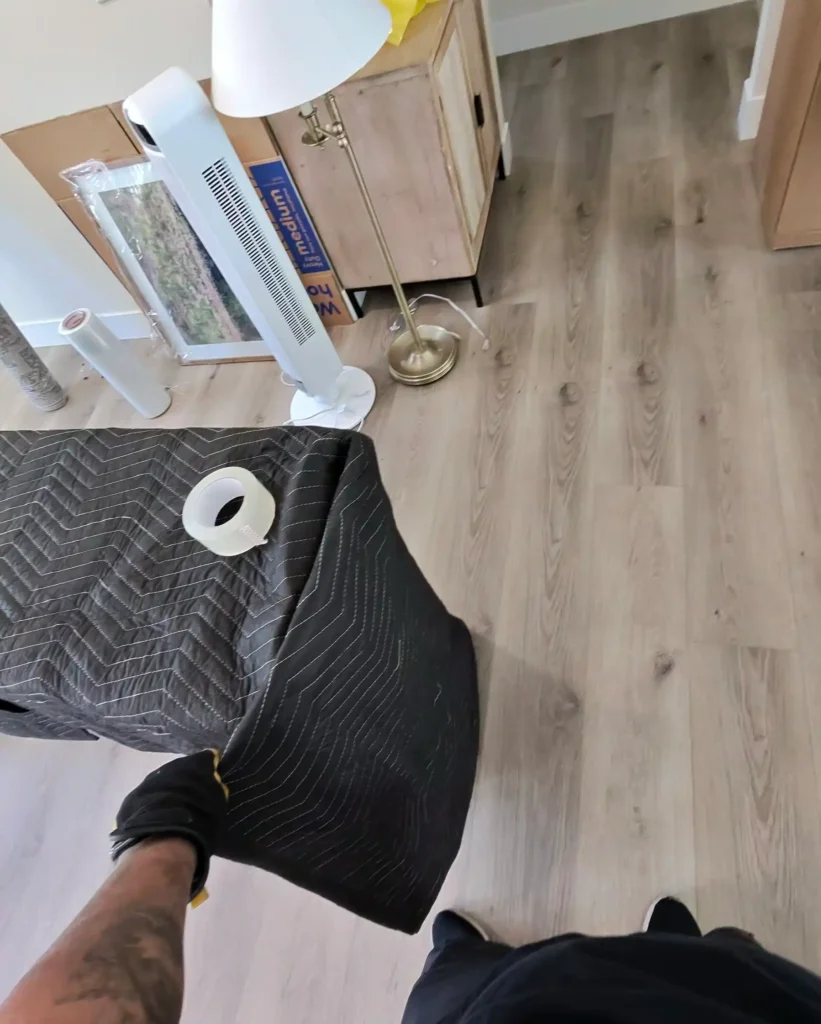
Moving blankets are used around surfaces that can scratch or dent. Stretch wrap keeps protective materials attached and prevents drawers from opening during transportation.
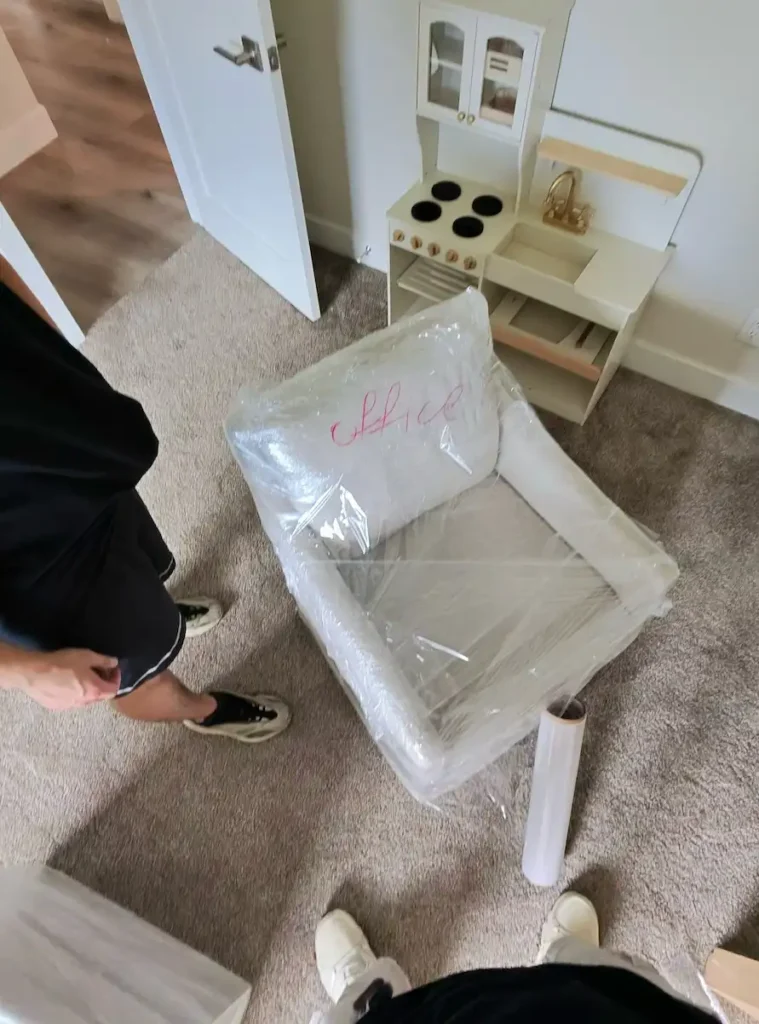
Plastic wrap alone is not enough for valuable furniture. It protects against dirt but does not absorb impact from another item shifting nearby.
Wood furniture needs special attention around corners. Those areas usually receive the first contact with door frames, stair walls, or truck interiors.
A dining table is a good example. Removing the legs changes it from a wide, awkward object into several manageable pieces. Trying to carry it fully assembled often creates unnecessary pressure on the joints.
Step-by-Step Guide to Moving Heavy Appliances Safely
A refrigerator, washer, dryer, or commercial-size appliance should never be moved by lifting from random points or pulling across the floor. Most damage happens because the weight shifts unexpectedly.
Professional crews usually begin by checking three things:
STEP1: Weight distribution
Appliances often feel heavier on one side because of motors, compressors, or internal components.
STEP2: Available space
Doorways, stairs, elevators, and truck ramps determine how the item can be moved.
STEP3: Required equipment
Appliance dollies, straps, furniture sliders, and protective blankets are selected based on the item.
A typical refrigerator move follows a specific process:
- Empty and unplug the refrigerator.
- Secure shelves and doors.
- Move it away from walls carefully to avoid damaging flooring.
- Place it on an appliance dolly.
- Use straps to control movement on stairs or ramps.
- Keep the refrigerator upright during transportation whenever possible.
Trying to move a heavy fridge without the right equipment is one of the most common mistakes. The appliance may seem manageable at first, but the weight shifts quickly near door thresholds or stairs.
The same applies to washing machines. The internal drum must be secured before transportation. Without proper stabilization, movement during loading can damage internal parts.
For furniture, the lifting technique matters just as much as strength. Movers typically avoid pulling from handles, armrests, or decorative sections because those areas are not designed to carry the full weight.
A safer approach includes lifting from the strongest structural points, keeping the item close to the body, using straps to distribute weight between people, moving slowly around corners instead of turning suddenly, and communicating every movement before changing direction.
One common situation crews see in homes is a large dresser being carried down a narrow staircase. The problem is rarely the weight alone. The challenge is controlling the angle while protecting walls, railings, and the furniture itself.
For anyone planning to move heavy items without professional equipment, the biggest question is not only “Can we lift it?” but “Can we control it during the entire route?”
A homeowner may be able to move a cabinet across a garage, but carrying that same cabinet down three flights of stairs is a completely different task.
How to Protect Large Furniture During Transportation
A sofa, dining table, wardrobe, or antique cabinet can suffer damage during transportation even when the lifting process goes well. Most problems appear after loading because items shift, rub against each other, or are exposed to pressure from other belongings.
The most common protection materials include:
- Moving blankets for wood, fabric, and painted surfaces.
- Stretch wrap for keeping blankets attached and protecting against dust.
- Corner protectors for sharp edges.
- Plastic covers for upholstered furniture.
Large furniture should be prepared based on its material. A leather sofa needs different protection than a wooden dining table. A polished surface can scratch from a small metal part left nearby during truck loading.
People often search for the best way to move large furniture but overlook the transportation stage. Loading the truck correctly matters just as much as getting the item out of the house.
A few practices movers use include placing heavy furniture near the front wall of the truck, securing tall items with straps, avoiding unstable objects on top of furniture, and keeping wrapped surfaces away from sharp edges.
Homeowners shipping furniture over longer distances can also learn more about preparation methods through https://servicepromovers.com/how-to-ship-furniture-expert-furniture-shipping-for-large-items-couches-sofas-and-more/
A dining table with removable legs takes less space and is easier to secure. A large sectional sofa without preparation may become difficult to position safely inside the truck.
Common Mistakes to Avoid When Moving Heavy Items
Some moving problems start before anyone lifts the item. A few small decisions made on moving day can turn a manageable piece of furniture into a damaged appliance or a scratched wall.
One frequent mistake is underestimating weight. A washing machine may look simple to move, but its internal parts make it difficult to control on stairs. The same happens with large cabinets, solid wood tables, and oversized sofas.
Common mistakes homeowners make include moving appliances without disconnecting water or power connections, forgetting to measure doorways, elevators, or stair turns, using the wrong dolly for heavy appliances, pulling furniture across floors instead of lifting it correctly, carrying large items without enough people, and loading furniture without securing it inside the truck.
Another issue is rushing the first few minutes of the move. Crews often notice damage happens while bringing an item out of the house, not while it is already inside the vehicle. A refrigerator corner can hit a doorway frame, or a sofa arm can tear when forced through a narrow entrance.
For anyone learning how to move things independently, the biggest mistake is focusing only on lifting strength. Control, space, and equipment usually matter more than physical effort.
A simple recommendation based on common move situations: check the route before moving day. Finding out that a sofa cannot turn at the top of a staircase after it is already lifted creates a problem that could have been avoided with five minutes of measuring.
When Professional Movers Are the Best Option
Some large items are realistic for a DIY move. A small table, lightweight dresser, or compact appliance may only require basic equipment and careful handling. Larger pieces require more attention because one wrong movement can damage the item, the property, or the people carrying it.
Professional help is usually worth considering for situations such as: Professional help is usually worth considering for situations such as a refrigerator that needs to pass through a narrow doorway, a heavy appliance located on an upper floor, furniture that cannot be separated into smaller pieces, homes with tight staircases or limited elevator access, and long-distance moves where items need secure truck loading.
Moving companies typically check more than the weight of an item. Crews look at the path from the room to the truck, available turning space, floor conditions, and whether disassembly is needed.
For example, a refrigerator may require removing handles or doors before it can leave a kitchen. A large sectional sofa may need to be separated into sections before it can pass through an apartment hallway.
Service Pro Movers also handles larger household items as part of its https://servicepromovers.com/services/packing-and-moving-services/ , where preparation and loading requirements depend on the specific belongings involved.
A practical recommendation from common relocation situations: if an item requires several people just to move it a few inches inside the home, it usually deserves more planning before it reaches stairs, doorways, or a moving truck ramp.
FAQ
How do I move a heavy fridge through a narrow doorway?
A refrigerator may need extra preparation before it reaches the doorway. Remove shelves, secure doors, and check the clearance first. In some homes, removing the refrigerator doors creates enough space to move the appliance without damaging walls or cabinets.
What is the best way to move large furniture down stairs?
Large furniture should be reduced in size whenever possible. Remove drawers, detachable parts, and legs before carrying it downstairs. Furniture straps and controlled movement are safer than trying to slide heavy pieces step by step.
Can I move heavy appliances without a dolly?
Small appliances may be manageable, but large refrigerators, washers, and dryers usually require an appliance dolly. Trying to lift or drag heavy appliances can damage floors and make the item difficult to control.
How should furniture be prepared for a long-distance move?
Furniture should be wrapped with moving blankets, secured with stretch wrap, and positioned carefully inside the truck. Loose parts such as table legs or shelves should be packed separately and labeled.
How many people are needed to move heavy furniture?
The number depends on the item, weight, and route. A large sofa on a straight path may need fewer people than a tall cabinet going down a narrow staircase with several turns.